According to the Centers for Disease Control & Prevention, falls are now the leading cause of injury in the home for older adults and anyone with limited mobility who is recovering from surgery. The emotional toll due to loss of confidence and independence following a fall is more severe than the physical injury itself. Fortunately, the majority of home falls are predictable and therefore preventable. By assessing each area of your home for potential hazards you can identify areas that have the greatest chance of becoming a fall risk and implement appropriate solutions for people with mobility issues or disabilities.
This guide has detailed the most significant causes of falls at home along with recommended safety upgrades including stairs lifts, ramps and Bath Safety Products to assist Homeowners in making their properties safer and more accessible.
Living Room and Common Areas
Since the majority of our time is spent in the living room, this area is one of the highest risk areas for falling. The main reasons for falling in the living room are Low furniture; A cluttered pathway where we walk; Loose carpeting; Poorly lit rooms. Furniture such as coffee tables with sharp edges, electrical cords draped across pathways, and sofas located very low to the ground can create instability for us.
Improving walking paths in the living room is one of the effective ways to help reduce the risk of falls. Make sure furniture is arranged so wheeled walkers and wheelchairs can easily get around, maintain open walking spaces. If you have an area in your living room where there are long hallways, consider placing sturdy handrails next to the walls for support. Elevated chairs can be beneficial to assist in getting up or sitting down safely. Additional lighting will improve overall visibility and reduce the chance of someone falling during night hours. The use of motion sensors for lighting is also recommended to assist with these additional safety measures.
Bathroom: The Highest-Risk Room in the House
A room where falls have the highest probability of occurring in the instance of falling is in a bathroom. Wet surfaces, slick tile, tight quarters, and standing to rise from a toilet or stepping into a bathtub increase the likelihood of falling.
As such, bath safety additions will decrease the likelihood of falls occurring in a bathroom. Grab bars that are installed professionally beside the toilet and in the shower/tub area provide good support. Non-slip and textured flooring will significantly reduce slip hazards. Shower chairs and steps-in bathtubs will both make bathing safer and less physically demanding for the user.
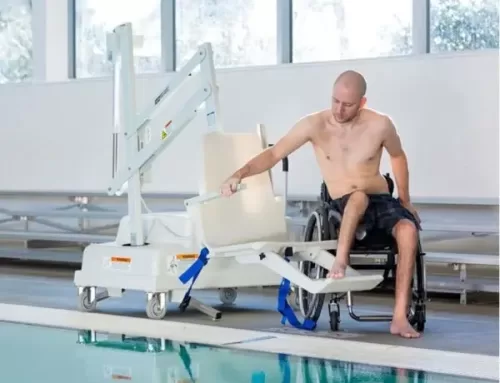
More complex individuals with higher needs for mobility can benefit from utilizing ceiling lift systems and ceiling lift slings. Ceiling lifts will greatly relieve the caregiver of strain, as well as provide fall prevention by allowing safe transfers to occur to/from the bathtub or shower without the caregiver having to assist. Additionally, in a larger bathroom setting, patient lift systems and motor lifts can also be utilized for portable mobility.
Kitchen: Small Hazards, Big Consequences
The kitchen is also a very hazardous place to fall because of slippery floors from spilled liquids, uneven floor surfaces, the need to reach for items on the top shelf, extended periods of time standing while cooking, etc. To lessen the likelihood of falling while in the kitchen, individuals may make some minor adjustments.
Placing frequently used items within easy reach will eliminate the need to use a ladder or stool, or extend yourself across the counter. To prevent slips and loss of balance, use nonslip mats around the sink and stove area. Properly illuminating the entire kitchen area will assist in reducing the chances of falling. Those individuals who have difficulty maintaining balance may find it helpful to have a chair in or adjacent to the kitchen that will serve as an anchor point when preparing meals. By keeping the kitchen floor free of clutter, there will be adequate room for mobility devices to safely navigate through the kitchen.
Stairs and Entryways
In terms of number of injuries, stairs represent one the most significant causes of falling-related injuries, as you can fall due to a simple misstep going up or coming down. Along with staircases; breezeways continue to pose an area of concern where hazards may present themselves due to uneven thresholds, lack-of-lighting, and weather related hazards.
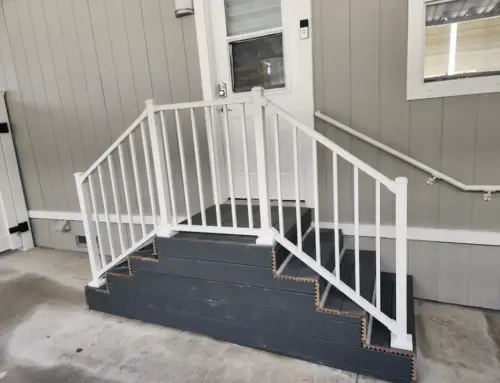
Handrails added to both sides of staircases and properly secured, along with sturdy railings; are some of the best ways to prevent injury and improve a person’s fall risk. A stair lift provides people, who are not capable of using stairs safely, with the ability to move from one level of the home safely without having to exert any physical effort.
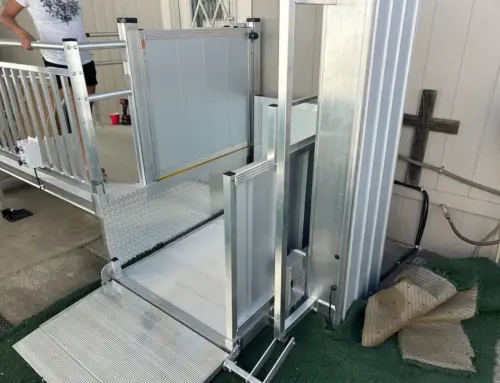
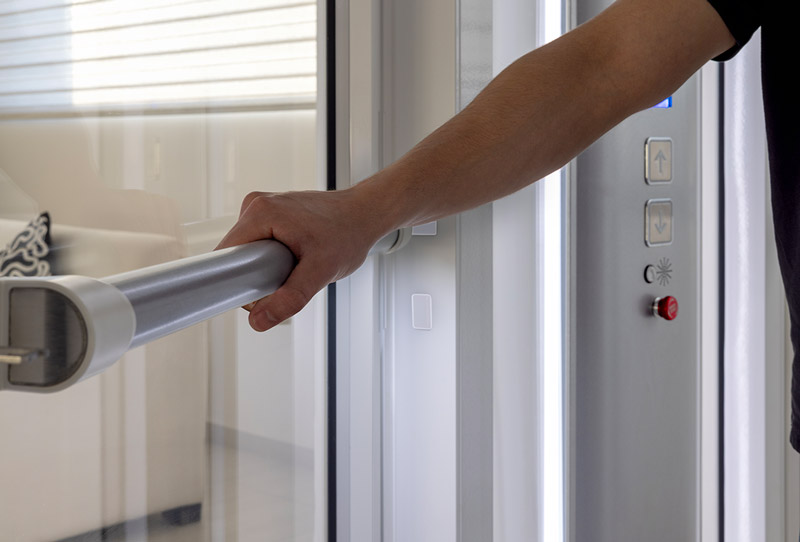
Inclined Platform Lifts as well as Residential Elevators provide the safest long-term solution(s) for having the ability to have multiple levels in a single-family home. A ramp at the entrance affords a person the ability to enter the building without having to deal with climbing stairs. Ramps can improve accessibility and lower fall risks when they have the proper slope and a non-slip surface.
Bedroom: Transitions Matter
Falls are frequently caused by getting in and out of bed, especially at night. Poor lighting, unsteady bed heights, and cluttered floors all contribute to accidents. Particularly dangerous are cords and throw rugs near the bed.
Making bedrooms safer starts with lighting. Bedside lamps or motion-sensor nightlights provide visibility when traveling at night. Beds should be raised so that feet are flat on the floor when seated.
People who require assistance getting from their beds to wheelchairs or walkers can benefit from ceiling lifts and patient lift systems. These gadgets reduce the risk of unplanned slips while making everyday tasks safer and more respectable.
Hallways and Doorways
Narrow hallways and tight doorways are often disregarded until mobility is limited. Dim lighting and uneven thresholds make tripping more likely.
Removing elevated thresholds and, when practical, expanding pathways can significantly improve safety. Handrails can be installed to increase the stability of longer hallways. Consistent, bright lighting can eliminate shadows that can make it difficult to perceive depth.
Garage and Outdoor Areas
Garages and outdoor spaces are frequently fall zones due to their uneven surfaces, clutter, and elevation changes. Concrete cracks, sloping driveways, and steps without rails are common hazards.
A ramp makes it simple to enter and exit the house, making it one of the best options for outdoor safety. Non-slip surfaces and sufficient drainage can prevent slips in wet conditions. Having adequate lighting close to entrances and walkways further reduces risk.
Creating a Safer Home, Room by Room
Instead of cluttering a home or turning it into a hospital, intelligent, thoughtful changes that encourage independence are necessary to prevent falls. From grab bars and handrails to stair lifts, elevators, and ceiling lift systems, the right accessibility equipment can greatly improve safety and quality of life.
Installation must be done by professionals. Incorrectly installed equipment can be just as dangerous as no equipment at all. When creating solutions, the person’s long-term needs, home design, and degree of mobility should all be taken into account.
How CallBeforeYouFall Helps in Los Angeles County
For families and homeowners in Los Angeles County, CallBeforeYouFall specializes in professional mobility and fall-prevention solutions for real homes and real lives. From grab bars and bath safety improvements to stair lifts, ramps, patient lift systems, and ceiling lifts, their team concentrates on safe, code-compliant installation that promotes independence and peace of mind.
Whether you’re planning ahead or responding to a recent fall, CallBeforeYouFall provides professional installation and customized assessments throughout Los Angeles County. Residents are able to stay in their cherished homes for longer and in a safer manner.